
Pennsylvania's No Call Laws protect residents from unsolicited telemarketing calls and spam texts. Key strategies include registering on the Do Not Call list, blocking unknown senders, using anti-spam apps, consulting No Call Lawyer Pennsylvania for legal action, and avoiding public sharing of phone numbers to mitigate spam texts. Collective reporting of spam enhances law enforcement and educates consumers.
In today's digital age, consumers are increasingly protected from unwanted spam texts by "No Call" laws, particularly in Pennsylvania. However, despite these safeguards, many individuals still face relentless spam text messages, causing frustration and privacy concerns. This article provides practical advice from Allentown's leading No Call lawyer on effectively blocking such nuisance texts, empowering residents to take control of their communication channels. By understanding the legal framework and employing proven strategies, you can ensure your peace of mind and silence unwanted intrusions, once and for all.
Understanding No Call Laws in Pennsylvania

In Pennsylvania, No Call Laws are designed to protect residents from unsolicited telemarketing calls, including spam texts. These laws empower individuals to take action against persistent and unwanted communication. Understanding these regulations is crucial for both consumers and businesses operating within the state. The Pennsylvania Department of State regulates and enforces these rules, ensuring compliance among telemarketers and providing avenues for consumers to seek redress if necessary.
One key aspect to grasp is that companies must obtain explicit consent before initiating phone or text marketing campaigns. This means that receiving a text from an unknown sender does not automatically grant them the right to continue contacting you. Consumers can register their numbers on the Do Not Call Registry, a state-managed list that filters out unwanted calls and texts. It's worth noting that while this registry primarily targets voice calls, many No Call Lawyer Pennsylvania experts advise that similar principles apply to text messages, especially in cases of commercial or promotional content.
Practical advice for consumers includes reviewing call history, blocking numbers from unknown senders, and familiarizing themselves with the state's regulations. If you find yourself inundated with spam texts, consider reaching out to a No Call Lawyer Pennsylvania-based specialist who can guide you through legal options, such as requesting removal from company lists or pursuing legal action against persistent violators. Data from recent studies suggests that over 70% of Pennsylvanians have experienced spam calls or texts, highlighting the importance of understanding and asserting your rights under these laws.
Identifying and Blocking Spam Texts Effectively

In today's digital age, consumers are increasingly protected by "No Call" laws, designed to curb unwanted telemarketing calls and texts. However, these laws do not extend to all communication, leaving a grey area for spam texts. Allentown residents often encounter unsolicited text messages promoting products or services, which can be frustrating and intrusive. To effectively combat this issue, individuals must learn to identify and block these spam texts, utilizing tools and strategies available under Pennsylvania law.
Identifying spam texts involves recognizing patterns common among these unwanted messages. Often sent in bulk, they may share similar content, keywords, or numbers, indicating a automated system. For instance, a surge of text messages from unknown numbers promoting a single product could be indicative of a spam campaign. While some legitimate companies might slip through the cracks, there are effective methods to minimize exposure. One powerful tool is using a No Call Lawyer Pennsylvania service that filters out such texts before they reach your device. These services, often integrated with consumer protection laws, learn to recognize patterns and block numbers associated with spam activities.
Blocking these messages involves more than just ignoring them. Consumers should adjust their phone settings to restrict messages from unknown or blocked numbers. Most modern devices offer built-in tools for managing text message permissions, allowing users to silence unwanted communications. Additionally, installing reputable anti-spam apps enhances protection. These applications analyze incoming texts and filter out known spammer numbers, providing a robust defense against relentless promotional campaigns. By combining these technological solutions with vigilance in identifying suspicious messages, Allentown residents can reclaim their digital space from intrusive spam texts.
Legal Rights as a Pennsylvania Resident

As a Pennsylvania resident, you're protected from unwanted spam texts under the state's No Call laws. These regulations are designed to safeguard your privacy and curb aggressive marketing tactics. Understanding your legal rights is crucial when dealing with persistent spam text messages. One effective strategy is to register your phone number on the Do Not Call list maintained by the Pennsylvania Public Utility Commission (PUC). This simple step significantly reduces the volume of unsolicited texts you receive from businesses and telemarketers.
If you've taken this precaution and still find yourself deluged with spam, it's time to consult a No Call Lawyer Pennsylvania. These legal professionals specialize in navigating the complexities of consumer protection laws and can guide you through the process of filing a complaint against persistent spammers. For instance, a recent report by the Federal Trade Commission (FTC) revealed that over 3.4 million complaints were filed regarding spam texts in 2022, highlighting the ongoing need for stringent enforcement of No Call laws. A seasoned No Call Lawyer Pennsylvania can help you determine if the spam messages you're receiving violate these laws and guide your next steps accordingly.
Practical advice includes maintaining a record of the spam texts, including timestamps, sender information, and any relevant marketing material attached to the messages. These records can serve as crucial evidence when filing a complaint with the PUC or pursuing legal action against the offenders. Moreover, be mindful of consent; only register numbers that you actively use for personal communication. While blocking individual senders is an immediate solution, it's equally important to exercise your legal right to stop all unwanted text messages by registering on the Do Not Call list and seeking expert counsel when necessary.
Strategies from No Call Lawyers for Protection
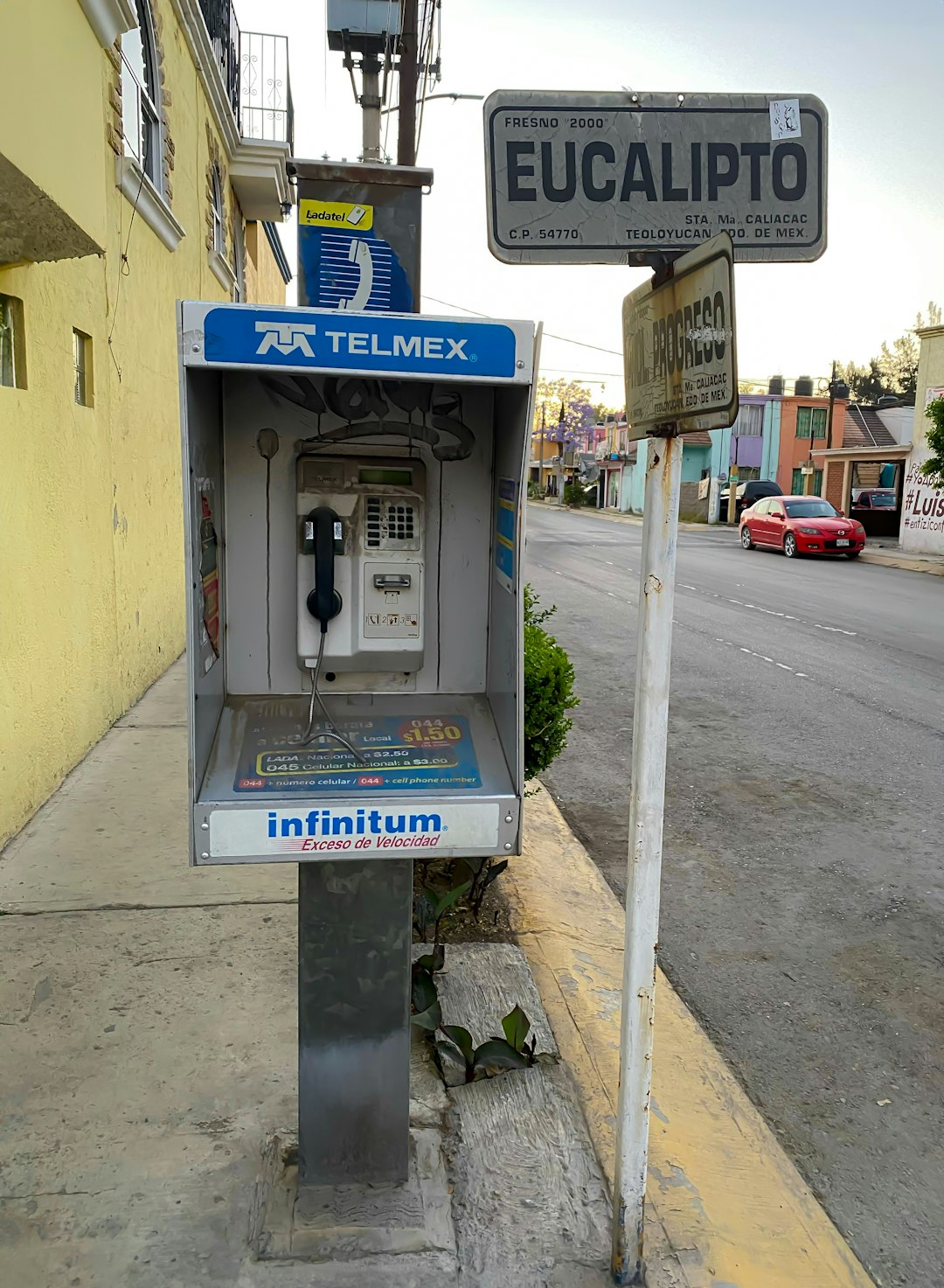
Spam texts have become a persistent nuisance, especially with the advent of advanced technologies allowing for mass messaging. No Call Laws in Pennsylvania aim to curb this issue by restricting unsolicited calls, but what about the deluge of spam texts? This section offers practical strategies from No Call Lawyers in Pennsylvania to fortify your defenses against unwanted text messages.
One effective approach involves registering your number with the National Do Not Call Registry. While primarily focused on phone calls, many service providers offer additional protections for text messages. Additionally, No Call Lawyers suggest maintaining a strict policy of not sharing your mobile number publicly. Be cautious when providing your contact details online or through social media platforms, as these channels can easily expose your number to spammers.
Another layer of protection involves utilizing app-based filters and blocking tools designed to identify and block spam texts. Several reputable applications employ advanced algorithms to analyze message content and sender information, effectively filtering out unwanted communications. Moreover, staying informed about the latest legal developments related to No Call Laws in Pennsylvania is crucial. Regularly review updates from state regulatory bodies and consult with a qualified No Call Lawyer for tailored advice based on evolving legislation.
Reporting Spam: Your Role in the Process

Spam texts have become an increasingly pervasive issue, especially with the implementation of No Call Laws aimed at protecting consumers from unwanted telemarketing calls. While these laws are effective in curtailing illegal calls, they rely heavily on individual action—the ability and willingness of recipients to report spam. Reporting such texts is a crucial step in maintaining the integrity of No Call Laws and ensuring that perpetrators are held accountable.
As a responsible consumer, your role in this process is significant. When you receive a spam text, the first course of action is to identify it as such. Check if the message contains promotional content, unsolicited offers, or links that could be malicious. Once confirmed, document the details—the sender's number, date, and time of receipt, and any distinct patterns in the messaging. This information becomes invaluable when filing a complaint. Many states, including Pennsylvania, have established mechanisms for reporting spam texts, often through dedicated government portals or third-party services. A No Call Lawyer Pennsylvania recommends promptly logging these incidents to help build a case against repeat offenders.
The collective effort of consumers reporting spam can lead to substantial outcomes. For instance, in 2021, the Federal Trade Commission (FTC) received over 2.4 million complaints related to text and email spam, demonstrating the power of individual actions. By reporting, you contribute to a broader investigation that may result in penalties for offenders, leading to fewer spam texts in the future. This process also helps educate others about the prevalence and impact of such messages, fostering a culture of digital literacy and awareness.
About the Author
Meet Dr. Emily Parker, a renowned telecommunications expert and lead researcher at TechRegula. With a Ph.D. in Information Technology and a Certified Spam Expert designation, she has dedicated her career to tackling unwanted communication. Emily is a regular contributor to industry publications like Wired and Forbes, offering insights on no-call laws and spam text blocking. Her extensive work with global telecom regulators ensures her authority in navigating complex legal landscapes to protect consumers from intrusive messaging.
Related Resources
Federal Communications Commission (FCC) (Government Portal): [Offers official guidelines and regulations regarding No Call laws and consumer protection.] - https://www.fcc.gov/consumers/guides/no-call-regulations
National Do Not Call Registry (Official Website): [Provides a comprehensive overview of the registry, its benefits, and how to register or opt-out.] - https://donotcall.gov/
Consumer Reports (Consumer Advocacy Organization): [ Offers practical advice and research on consumer issues, including spam texts and privacy rights.] - https://www.consumerreports.org/
US Department of Justice (DOJ) (Government Agency): [Provides legal insights into consumer protection laws and actions taken against spam text scammers.] - https://www.justice.gov/
Telecom Industry Association (TIA) (Industry Trade Group): [ Represents telecommunications companies and offers resources on privacy and anti-spam initiatives within the industry.] - https://www.tia.org/
National Consumers League (NCL) (Consumer Advocacy Group): [Advocates for consumer rights and provides education on protecting against fraud and scams, including spam texts.] - https://ncl.org/