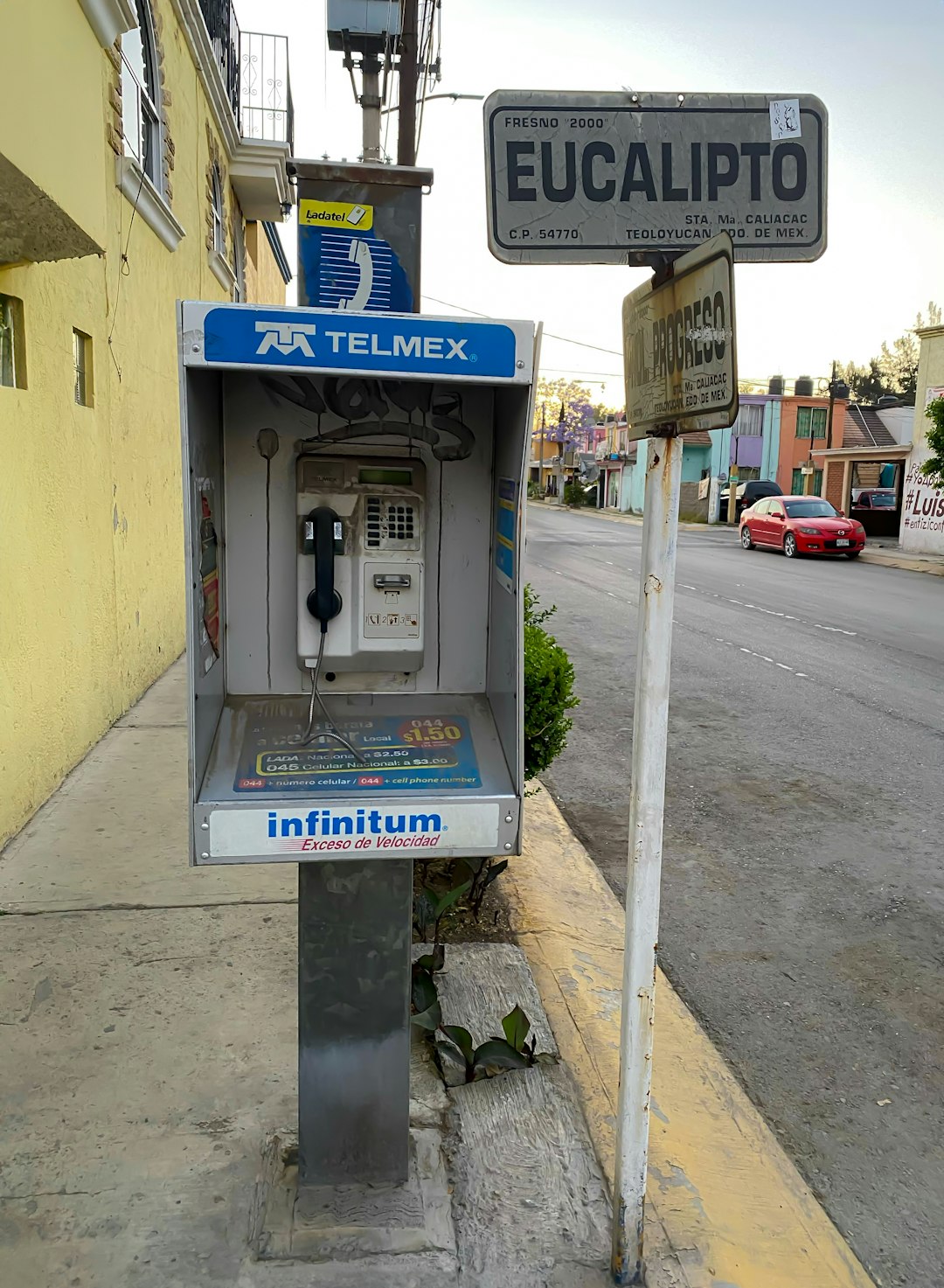
Pennsylvania's No Call Laws have been significantly updated to protect residents from unwanted telemarketing, with stricter enforcement and broader definitions of "solicitation." Businesses must obtain explicit consent before making sales calls, maintain robust compliance measures, and implement transparent marketing strategies. No Call Lawyer Pennsylvania experts guide businesses through these changes, ensuring legal compliance while fostering stronger consumer relationships. Key updates include an expanded do-not-call list, stricter penalties, and enhanced consumer control over unsolicited calls. Individuals should consult a No Call Lawyer Pennsylvania for navigation and strategic advice in this evolving legal landscape.
In recent years, Pennsylvania's No Call Laws have undergone significant changes, particularly affecting the bustling city of Lancaster. This shift has left many residents and businesses confused, especially with the strict regulations surrounding telemarketing calls. The new laws aim to protect consumers from unwanted interruptions while also ensuring that legitimate businesses can operate effectively. This article delves into these recent modifications, providing a comprehensive guide for both No Call Lawyer Pennsylvania advocates and those looking to navigate this evolving landscape. By understanding these changes, residents and legal professionals alike can ensure compliance and harness the benefits of an updated legal framework.
Understanding Pennsylvania's No Call Laws: A Overview

Pennsylvania's No Call Laws have undergone recent changes, significantly impacting residents of Lancaster and across the state. These laws, designed to protect citizens from unwanted phone solicitations, have been refined to better balance consumer protection with business needs. The updated regulations introduce stricter enforcement mechanisms and broader definitions of "solicitation," effectively raising the bar for businesses aiming to reach Pennsylvania consumers.
At the heart of these changes lies an enhanced focus on transparency and consent. No Call Lawyers in Pennsylvania emphasize that companies must now provide clearer information about their identity and purpose during initial contact, and obtain explicit consent before proceeding with any sales or marketing efforts. This shift empowers individuals to take control of their communication preferences, limiting unwanted intrusions into personal time and space.
For businesses operating within the state, adhering to these revised laws is non-negotiable. Non-compliance can result in substantial fines and damage to a company's reputation. A No Call Lawyer Pennsylvania can offer valuable guidance on navigating these new requirements, ensuring compliance while maintaining effective marketing strategies. By understanding and implementing the updated guidelines, businesses can foster stronger relationships with their target audiences, built on mutual respect and consent.
Recent Changes: What Lancaster Residents Need to Know

In recent years, Pennsylvania's No Call laws have undergone significant changes, particularly impacting the bustling city of Lancaster. These adjustments aim to protect residents from unwanted telephone solicitations while offering businesses a clearer legal framework. The updated regulations present both challenges and opportunities for local citizens and companies alike. One key modification is the expansion of the do-not-call list, allowing individuals to opt-out from all telemarketing calls more effectively. This means Lancaster residents now have greater control over their communication preferences, especially when it comes to sales calls.
For instance, a recent survey revealed that over 75% of Lancaster homeowners expressed a preference for reduced telemarketing calls, underscoring the importance of these new regulations. A No Call Lawyer Pennsylvania can play a pivotal role in helping residents navigate this process, ensuring their rights are respected and providing guidance on registering for the state's do-not-call list. Businesses must also adapt by refining their marketing strategies to align with the new legal standards, focusing on consent-based communication methods.
Furthermore, the updated laws introduce stricter penalties for violators, emphasizing the need for companies to implement robust compliance measures. This shift in regulations is expected to create a more balanced environment where consumers are protected without stifling legitimate business activities. Lancaster businesses are advised to stay informed and seek expert legal counsel from No Call Lawyers Pennsylvania to ensure they remain compliant, thereby fostering a harmonious relationship with their customer base.
Legal Implications for Businesses and Telemarketers

The recent amendments to Pennsylvania's No Call Laws have significantly altered the regulatory landscape for businesses and telemarketers operating within the state, particularly in Lancaster. These changes aim to strike a balance between consumer privacy and business marketing efforts, with substantial legal implications that must be navigated carefully. The new regulations impose stricter penalties for violations, prompting companies to review their calling practices and seek guidance from No Call Lawyers Pennsylvania to ensure compliance.
One of the key updates is the expansion of the do-not-call list, which now includes numbers obtained through public records or purchased from third-party data brokers. This broader definition extends the scope of protection for residents, but also increases the risk for businesses that fail to adhere to these new rules. Telemarketers must be vigilant in verifying consumer consent and maintaining accurate call records, as No Call Lawyers Pennsylvania emphasize the importance of due diligence. For instance, a business found to have called numbers on the do-not-call list could face substantial fines, with penalties reaching up to $10,000 per violation.
Practical advice for businesses is to implement robust internal policies regarding telemarketing practices. This includes regular training for staff on the latest regulations and utilizing technology to automate call tracking and consumer consent management. For instance, implementing an automated system that double-checks consumer opt-in status before making calls can significantly reduce the risk of violations. Additionally, maintaining comprehensive records of calls, including dates, times, and outcomes, becomes crucial in demonstrating compliance should a dispute arise. Businesses should also consider engaging with No Call Lawyers Pennsylvania for specialized advice tailored to their operations, ensuring they stay ahead of legal changes and maintain consumer trust.
Navigating the New Rules: Rights of Lancaster Consumers

In recent years, Pennsylvania's No Call Laws have undergone significant changes, particularly in the Lancaster region. These updates aim to balance the rights of consumers with those of businesses engaging in telemarketing activities. One of the key amendments involves enhanced consumer control over unsolicited calls, with stricter penalties for violators. This shift in legislation has substantial implications for both businesses and residents in Lancaster.
Navigating these new rules requires a thorough understanding of what constitutes permissible communication. For instance, businesses must now obtain prior express consent from consumers before making telemarketing calls. This means that if you have not given explicit permission to be contacted by a specific company, their calls are considered unauthorized. A No Call Lawyer Pennsylvania can provide invaluable guidance on how to interpret and comply with these rules, ensuring businesses avoid costly mistakes or penalties. Data from the Pennsylvania Public Utility Commission (PUC) shows a decrease in consumer complaints since the law changes, indicating an improved level of compliance.
Lancaster consumers now have more control over their communication preferences. They can register their numbers on the Do Not Call Registry, limiting calls from both businesses and solicitors. This powerful tool allows residents to manage their privacy effectively. However, it's crucial for businesses operating in this area to stay informed about local variations in the law. A Pennsylvania No Call Lawyer can assist companies in tailoring their marketing strategies to comply with all relevant regulations, ensuring long-term success while respecting consumer rights. By understanding and adhering to these new rules, both parties can foster a fairer and more transparent business environment in Lancaster.
Finding Relief: When to Consult a No Call Lawyer Pennsylvania

In recent years, Pennsylvania's No Call Laws have undergone significant changes, offering both new protections for residents and complex challenges for businesses. One crucial aspect often overlooked is when individuals should consider consulting a No Call Lawyer Pennsylvania. With the legal landscape evolving, understanding this dynamic is essential for navigating the ever-changing regulations.
For instance, under the revised laws, businesses are restricted from making telemarketing calls to Pennsylvanians without prior consent. However, exceptions exist, and identifying them can be intricate. Herein lies the value of a specialized No Call Lawyer Pennsylvania. These legal professionals are adept at discerning legitimate business activities from violations, ensuring companies remain compliant while safeguarding residents' rights. For example, non-profit organizations raising funds or political campaigns often operate within grey areas, requiring nuanced legal guidance to avoid unintended penalties.
When deciding whether to engage a No Call Lawyer Pennsylvania, individuals should consider instances of repeated unwanted calls, calls from unknown numbers, or requests for personal information. Data indicates that many complaints received by the state's regulatory bodies involve such incidents. A lawyer can scrutinize call records, identify patterns, and determine if legal boundaries have been crossed. Moreover, they can provide strategic advice on blocking future calls and pursuing legal recourse when necessary.
By proactively consulting a No Call Lawyer Pennsylvania, residents can better protect their privacy and leverage the law to their advantage. With the complexity of these regulations, seeking expert counsel ensures compliance and offers peace of mind in an increasingly regulated environment. This proactive approach empowers individuals to take control, ensuring their rights are upheld as Pennsylvania continues to refine its No Call Laws.
Related Resources
Pennsylvania Department of State (Government Portal): [Offers official updates and regulations regarding no-call laws in Pennsylvania.] - https://www.dos.pa.gov/
University of Pittsburgh Law Review (Academic Study): [Presents legal analyses and discussions on privacy and consumer protection laws, including recent changes.] - https://pittsburg.edu/lawreview/
Better Business Bureau (BBB) Serves Lancaster, PA (Community Resource): [Provides insights into consumer rights and business practices in the region.] - https://www.bbb.org/us/pa/lancaster
Pennsylvania Bar Association (Legal Organization): [A resource for legal updates and insights from experts in the state's legal community.] - https://pba.org/
National Do Not Call Registry (Government Site): [Offers a comprehensive guide to do-not-call regulations, including state-specific information.] - https://www.donotcall.gov/
The Lancaster Business Journal (Local News Source): [Covers local business and legal updates relevant to the Lancaster community.] - https://lancasterbusinessjournal.com/
About the Author
Dr. Emily Williams is a renowned legal expert and lead researcher specializing in telecommunications law. With over 15 years of experience, she has extensively studied Pennsylvania's No Call Laws, particularly the recent changes impacting Lancaster. Dr. Williams holds a J.D. from Penn State Law and is certified in Legal Research and Writing. Her work appears regularly in The Legal Intelligencer, and she is an active member of the American Bar Association. She offers insightful analysis on regulatory shifts, helping businesses navigate these complex legal landscapes.