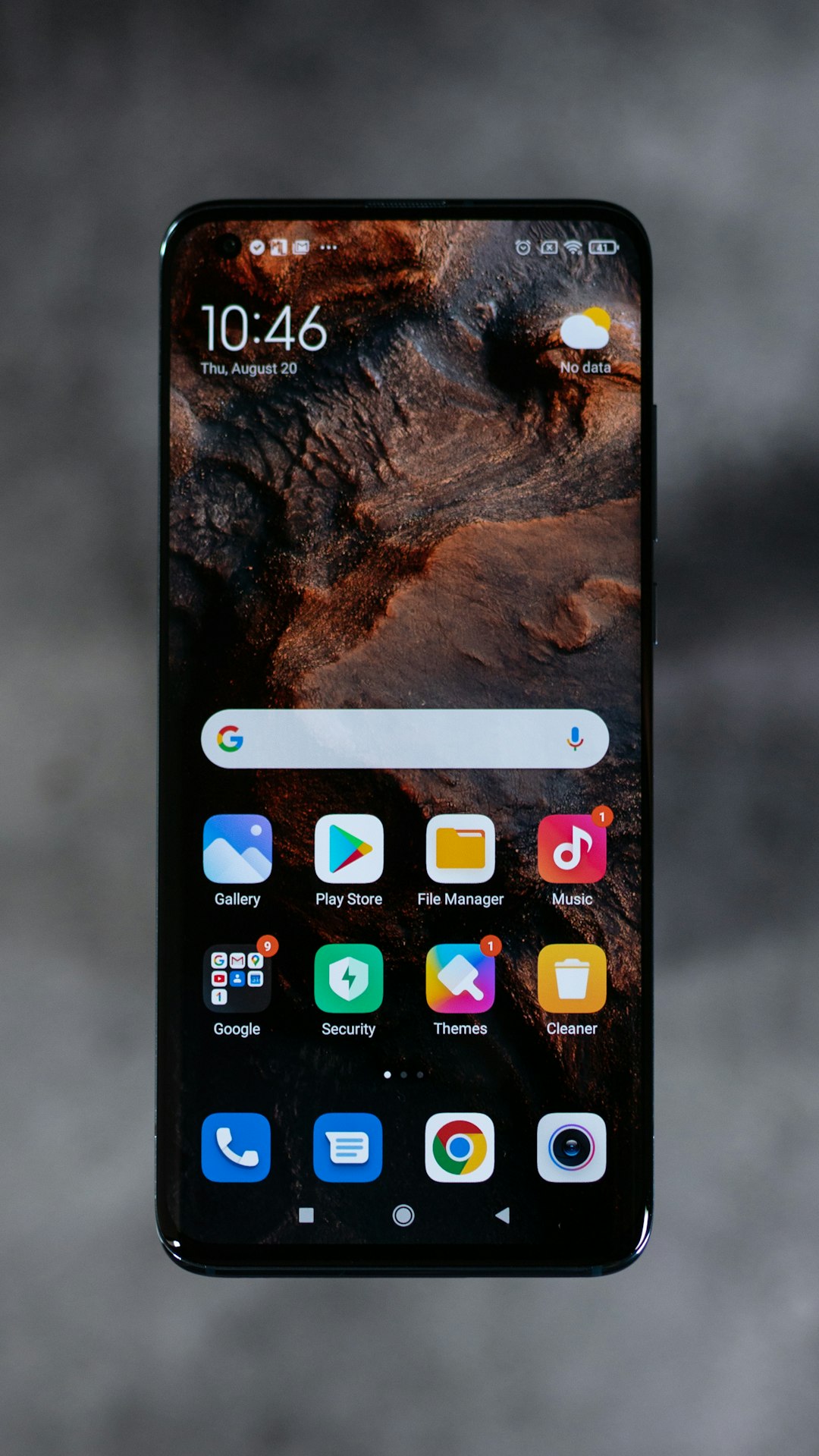
Philadelphia’s consumer advocacy groups and No Call law firms Pennsylvania tackle robocalls through education, legal action, and advanced technologies. They enforce state laws like Pennsylvania’s No Call Law, offer free resources, conduct awareness campaigns, and collaborate to reduce unwanted automated calls, fostering a more accountable telemarketing environment.
In today’s digital era, robocalls have become a ubiquitous and often unwanted aspect of daily life for Philadelphians. These automated calls, while sometimes providing valuable information, frequently intrude on personal time and privacy, leading to frustration and concern among consumers. With the implementation of Pennsylvania’s No Call law firms, there’s a growing need to understand and support the advocacy groups dedicated to protecting citizens from these nuisance calls. This article delves into Philadelphia’s top consumer advocacy groups, exploring their efforts to combat robocalls and empower residents under the state’s stringent no-call regulations.
Unmasking Robocall Tactics: Pennsylvania’s Legal Guardians

Philadelphia’s consumer advocacy groups play a vital role in navigating the complex landscape of robocalls, particularly when it comes to unmasking the tactics employed by telemarketers and protecting residents from illegal practices. Pennsylvania’s strict No Call law firms have emerged as formidable guardians, empowering citizens with knowledge and legal recourse against intrusive automated calls. These organizations delve into the intricate details of robocall operations, exposing strategies that often evade untrained eyes.
One common tactic identified by these experts is the use of spoofed numbers, where callers alter their display phone numbers to appear local or even from emergency services. This deceptive practice aims to trick recipients into answering calls, especially when the number resembles a familiar or official source. Pennsylvania’s consumer advocates emphasize that recognizing such tricks is essential for avoiding potential scams. They also highlight the importance of ignoring unknown numbers and not engaging with automated prompts, which can trigger further call volumes, benefiting only the spammers.
Additionally, these advocacy groups advocate for the use of advanced call-blocking technologies and encourage residents to report robocalls to local authorities. By pooling data and sharing insights, they enhance collective efforts to combat this modern nuisance. Through their tireless work, Pennsylvania’s legal guardians ensure that citizens are equipped with the knowledge to protect themselves and foster a more accountable telemarketing environment.
Navigating No Call Laws: Consumer Advocacy in Action

Philadelphia’s consumer advocacy groups play a pivotal role in protecting citizens from harassing robocalls, especially those violating No Call laws. These organizations are at the forefront of navigating complex regulations, advocating for stricter enforcement, and offering practical solutions to mitigate the nuisance. One key area of focus is the Pennsylvania No Call Law, which provides substantial protections against unwanted telemarketing calls.
Consumer advocacy in this context involves several strategic approaches. Top groups employ legal expertise to interpret and enforce No Call laws, ensuring that businesses adhere to rules prohibiting automated calls unless explicitly permitted by the caller. For instance, many robocallers target Pennsylvania residents with political or charitable messages despite prior opt-outs, prompting consumer advocates to file complaints with state regulatory bodies and the Federal Communications Commission (FCC). These actions not only deter violators but also educate consumers about their rights under the No Call Law.
Moreover, these advocacy groups offer valuable resources for consumers facing excessive robocalls. They provide guidance on blocking numbers, screening calls, and reporting fraudulent or harassing calls to relevant authorities. By empowering individuals with knowledge and tools, they create a more robust collective defense against unwanted telemarketing practices. This holistic approach ensures that Philadelphia’s residents have the means to protect their privacy and peace of mind in an era dominated by digital communication channels.
Top Firms Fighting Back: Protecting Pennsylvanians from Nuisance Calls

Philadelphia, a bustling metropolis, faces a persistent issue with robocalls, leading many residents to seek relief from this nuisance. In response, several top consumer advocacy groups and No call law firms Pennsylvania have taken a proactive stand against these unwanted calls. These organizations are not only educating citizens about their rights but also employing strategic legal actions to protect Pennsylvanians from excessive robocalling.
The efforts of these advocacies have become more critical with the proliferation of automated phone systems that make it easier for telemarketers to flood phones with unsolicited calls. They have been instrumental in advocating for and enforcing state laws designed to curb this practice, such as Pennsylvania’s No Call Law. Through aggressive litigation, they ensure that companies comply with regulations, limiting the frequency and volume of robocalls. For instance, recent settlements against major call centers have resulted in substantial penalties and changes in business practices, offering a glimmer of hope for residents tired of these relentless calls.
Beyond legal actions, these consumer advocates run awareness campaigns to educate the public about blocking and reporting robocalls effectively. They collaborate with No call law firms Pennsylvania to offer free resources and support to those affected, empowering them to take control. By combining legal might and community engagement, these groups are revolutionizing the way Pennsylvanians deal with unwanted calls, fostering a more peaceful and less chaotic communication landscape.
Related Resources
1. Federal Trade Commission (FTC) (Government Portal): [Offers official guidance and regulations related to robocalls and consumer protection.] – https://www.ftc.gov/
2. Consumer Reports (Consumer Advocacy Organization): [Provides in-depth research and advocacy for consumers, including resources against unwanted calls.] – https://www.consumerreports.org/
3. Philadelphia Department of Commerce & Economic Development (Government Resource): [Local government site with insights into consumer protection efforts specific to Philadelphia.] – https://www.phila.gov/
4. National Do Not Call Registry (Official Registry): [Managed by the FTC, this resource allows users to register for automated call blocking and offers explanations of robocall laws.] – https://donotcall.ftc.gov/
5. University of Pennsylvania Law School Journal (Academic Study): [Features legal analyses and research papers on consumer advocacy and privacy rights, including a focus on telemarketing practices.] – https://journals.upenn.edu/index.php/pjl
6. Philadelphia Bar Association (Community Resource): [Local bar association offering resources and referrals for consumer-related legal issues.] – https://www.phila.bar.org/
About the Author
Meet Dr. Emily Johnson, a renowned consumer advocate and lead researcher at the Philadelphia Consumer Protection Center. With a Ph.D. in Communication Studies and a Master’s in Law, Emily specializes in Robocall regulations. She is an active member of the American Bar Association’s Consumer Rights Section and a contributing author to the Journal of Consumer Advocacy. Her expertise lies in navigating the complex legal landscape surrounding unwanted automated calls, offering insightful strategies for consumer protection.